
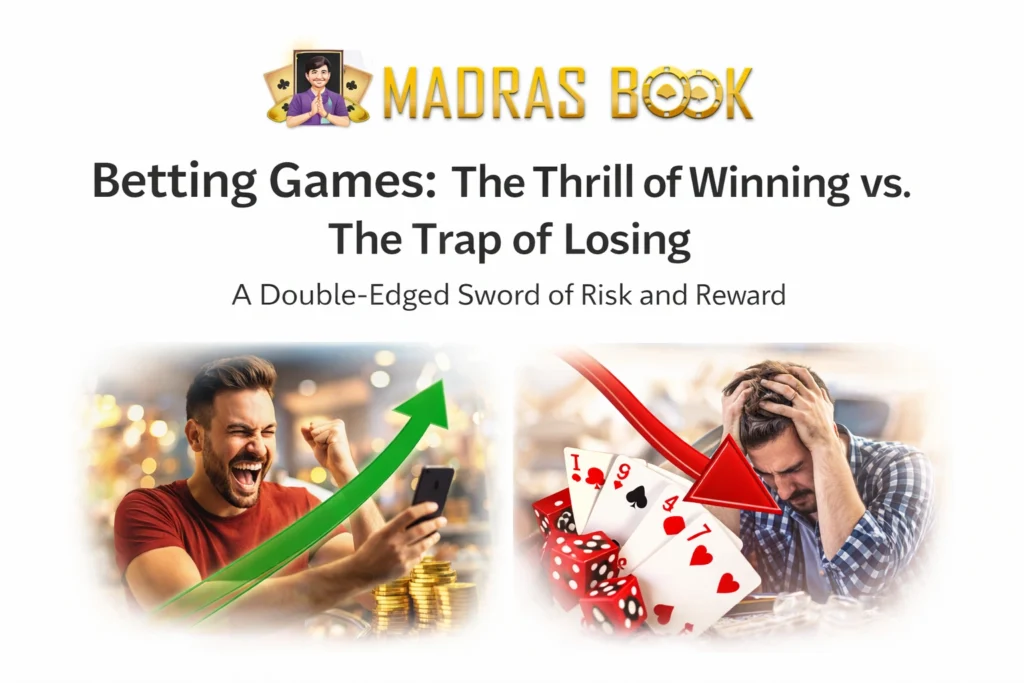
Introduction: The Fascination and Fallout of Betting Games
Betting games have become an integral part of modern entertainment, blending excitement, risk, and the promise of reward into a single experience. From traditional card tables and sports wagers to digital platforms accessible at the tap of a screen, betting has evolved into a global phenomenon that attracts millions of participants. The appeal lies not only in the possibility of winning money but also in the adrenaline rush, strategic thinking, and emotional engagement that come with every bet placed.
However, behind this thrilling surface exists a more complex reality. Betting games operate on uncertainty, where outcomes are never guaranteed, and the line between entertainment and risk can quickly blur. For some, betting remains a controlled and enjoyable activity, while for others, it can lead to financial strain, emotional stress, and addictive behavior. This dual nature makes betting games both captivating and controversial.
Understanding betting games requires looking beyond the excitement to examine their deeper impact. By exploring both the positive experiences they offer and the potential consequences they carry, it becomes possible to approach them with greater awareness, balance, and responsibility.
Understanding Betting Games: How They Work and Why They Attract
Betting games are built on a simple principle—risking something of value, usually money, on an uncertain outcome with the hope of gaining a reward. While this concept may seem straightforward, the mechanics behind betting are often more complex, involving odds, probabilities, and structured systems designed to ensure long-term profitability for operators.
At the heart of every betting game lies probability. Whether it’s a sports match, a roulette spin, or a card game, outcomes are governed by mathematical chances. Bookmakers and casinos carefully calculate odds to balance payouts while maintaining an advantage, commonly known as the “house edge.” This means that although players can win in the short term, the system is generally designed so that the operator profits over time.
Despite this, betting continues to attract millions because of its perceived accessibility and simplicity. Anyone can place a bet without needing advanced knowledge or skills. This low barrier to entry makes betting appealing to a wide audience, from casual participants to serious players.
Another major factor is the illusion of skill and control. In games like poker or sports betting, knowledge and strategy can influence decisions, creating a sense that outcomes can be predicted or managed. While skill does play a role in certain scenarios, chance remains a dominant force, and this balance between skill and luck keeps players engaged.
The instant feedback loop is another powerful attraction. Unlike long-term investments or career efforts, betting provides immediate results. Wins and losses are known quickly, reinforcing behavior and encouraging repeated participation. This rapid cycle of action and outcome can be highly stimulating, making it easy for individuals to stay involved longer than intended.
Moreover, modern betting platforms have enhanced the experience through visual design, rewards systems, and constant engagement features. Notifications, bonuses, and live updates create a dynamic environment that keeps users returning. These elements are carefully crafted to sustain attention and increase activity.
Understanding how betting games work is essential for recognizing both their appeal and their risks. While they may appear to offer equal chances of winning and losing, the underlying structure often favors the system itself. Being aware of these mechanics allows individuals to approach betting with a more informed and realistic mindset.
The Positive Side of Betting Games: Entertainment, Strategy, and Opportunity
While betting games are often associated with risk, they also offer several positive aspects when approached responsibly. For many individuals, betting is not just about money—it is a form of entertainment that adds excitement and engagement to everyday experiences.
One of the most notable benefits is enhanced entertainment value. Watching a sports match or participating in a game becomes far more thrilling when there is something at stake. The anticipation of outcomes, combined with personal involvement, transforms passive viewing into an active and immersive experience. This added layer of excitement is one of the main reasons people are drawn to betting.
Betting games can also encourage strategic thinking and analytical skills. In activities like sports betting or poker, players often analyze statistics, study patterns, and make calculated decisions. This process can sharpen critical thinking, improve decision-making abilities, and develop a deeper understanding of the game itself. For some, this intellectual challenge is as rewarding as the potential financial gain.
Another positive aspect is the potential for financial gain, even if it is not guaranteed. There are instances where individuals win significant amounts, either through luck or well-informed decisions. While such outcomes should not be relied upon as a steady source of income, they do contribute to the appeal and motivation behind betting.
Betting can also have a social dimension. Friendly wagers among friends or participation in group-based betting activities can foster interaction and strengthen relationships. Online platforms further extend this social aspect by connecting people with shared interests, creating communities where players exchange tips, experiences, and insights.
In addition, the betting industry contributes to the broader economy by generating employment opportunities and tax revenue. From technology development to customer support and marketing, many sectors benefit from the growth of this industry. In regulated environments, these contributions can support public services and infrastructure.
Finally, when practiced in moderation, betting can promote discipline and self-control. Setting limits, managing budgets, and making calculated choices require a level of responsibility that can positively influence personal habits. For individuals who maintain control, betting remains a balanced and enjoyable activity.
In essence, betting games can offer entertainment, intellectual engagement, and occasional rewards. The key lies in maintaining a healthy approach, where enjoyment takes precedence over profit, and risks are managed with awareness and restraint.
The Negative Side of Betting Games: Risks, Addiction, and Consequences
Despite the excitement and potential benefits, betting games come with serious downsides that can significantly impact individuals and their lives. What often begins as harmless entertainment can gradually turn into a risky habit, especially when boundaries are not clearly defined.
The most immediate and visible drawback is financial loss. Betting is structured in a way that favors operators, meaning consistent losses are more common than consistent wins. Many individuals underestimate this reality and continue to invest money in hopes of recovering losses. Over time, small losses can accumulate into significant financial strain, leading to debt, instability, and in extreme cases, bankruptcy.
Another major concern is addiction. Betting can become highly compulsive due to its fast-paced nature and emotional rewards. The thrill of winning and the urge to recover losses can trap individuals in a continuous cycle of betting. This condition, often referred to as gambling addiction, can be difficult to recognize in its early stages but becomes increasingly destructive over time.
A key factor that fuels addiction is the behavior known as chasing losses. When players lose money, they may feel compelled to place more bets in an attempt to recover what they’ve lost. Instead of solving the problem, this usually deepens it, creating a spiral that is hard to escape. Emotional decision-making replaces rational thinking, leading to even greater risks.
Betting also takes a toll on mental and emotional health. Frequent losses can lead to stress, anxiety, frustration, and even depression. The constant uncertainty and pressure associated with betting outcomes can create a state of emotional instability. Over time, this can affect confidence, mood, and overall well-being.
The impact often extends beyond the individual, affecting relationships and social life. Financial issues, secrecy, and behavioral changes can strain relationships with family and friends. Trust may be broken, and communication can deteriorate, leading to isolation and conflict.
Additionally, the accessibility of modern betting platforms has made it easier than ever to engage in risky behavior. With 24/7 availability and instant transactions, individuals can place bets impulsively without fully considering the consequences. This convenience increases the likelihood of over-participation and loss of control.
Another overlooked issue is the false perception of control. Many bettors believe that experience or strategy can guarantee success, even in games largely governed by chance. This misconception can lead to overconfidence and higher stakes, ultimately resulting in greater losses.
In summary, while betting games may appear harmless on the surface, they carry significant risks that should not be ignored. Financial difficulties, addiction, emotional distress, and damaged relationships are all potential consequences. Recognizing these dangers is essential for making informed choices and avoiding the pitfalls associated with betting.
The Psychology Behind Betting: Why It’s So Hard to Stop
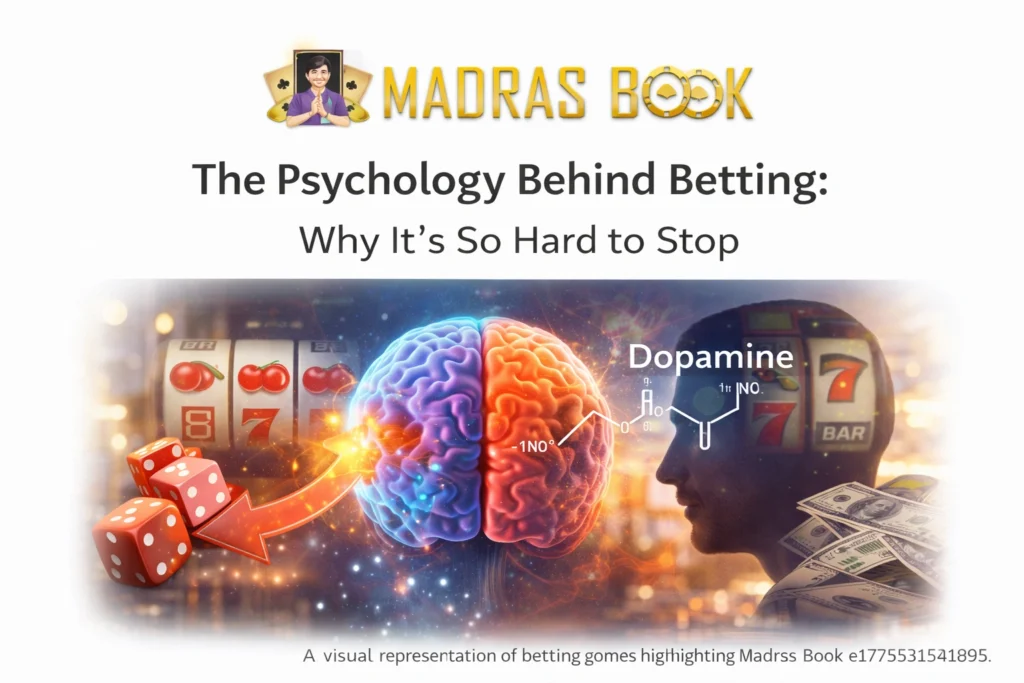
Betting games are not just about money or luck—they are deeply rooted in human psychology. The reason many people find betting hard to resist, and even harder to quit, lies in how the brain responds to risk, reward, and uncertainty.
One of the most powerful psychological drivers is the reward system of the brain. When a person wins a bet, the brain releases dopamine, a chemical associated with pleasure and satisfaction. What’s interesting is that dopamine is not only released when winning, but also in anticipation of a win. This means that even the act of placing a bet can feel exciting and rewarding, reinforcing the behavior.
Another key factor is variable rewards. Unlike predictable outcomes, betting offers random rewards—sometimes you win, sometimes you lose. This unpredictability makes the experience more addictive, similar to how people get hooked on social media or video games. The brain becomes conditioned to keep trying because the next win always feels possible.
The concept of near misses also plays a significant role. When someone almost wins—like missing a jackpot by one number—it creates a strong emotional response. Instead of discouraging the player, it often motivates them to continue, as it feels like success is just within reach.
There is also the influence of cognitive biases, particularly the illusion of control. Many bettors believe their knowledge, experience, or strategy can influence outcomes more than it actually can. This belief can lead to overconfidence and repeated betting, even after consistent losses.
Emotions further complicate the situation. Betting is often driven by mood and emotional states. People may place bets when they are bored, stressed, or seeking excitement. In some cases, betting becomes a way to escape problems or cope with negative feelings, which can lead to unhealthy patterns.
Another psychological trap is loss aversion. Humans tend to feel the pain of losing more strongly than the pleasure of winning. This can push individuals to take bigger risks in an attempt to avoid or recover losses, even when it is not rational to do so.
Social influence also plays a role. Seeing others win or hearing success stories can create a sense of possibility and encourage participation. However, these stories often highlight wins while ignoring the far more common losses.
Ultimately, the psychology of betting is what makes it both appealing and dangerous. It taps into natural human instincts—desire for reward, fear of loss, and belief in control—creating a powerful cycle that can be difficult to break. Understanding these psychological factors is a crucial step toward maintaining awareness and making more controlled decisions when engaging in betting activities.
Responsible Betting: Finding Control in a High-Risk Environment
Given the powerful appeal and potential dangers of betting games, the concept of responsible betting becomes essential. It is not about completely avoiding betting, but about engaging in it with awareness, discipline, and clear boundaries to prevent harmful consequences.
The first step toward responsible betting is setting financial limits. Players should decide in advance how much money they are willing to spend—and potentially lose—without affecting their daily life or financial stability. This amount should be treated as entertainment expense, not as an investment. Once the limit is reached, continuing to bet can quickly lead to problems.
Equally important is time management. Betting can easily consume hours without the individual realizing it, especially with online platforms offering continuous access. Setting time limits helps maintain balance and ensures that betting does not interfere with work, relationships, or personal responsibilities.
Another key principle is avoiding emotional betting. Decisions made under stress, frustration, or excitement are often irrational. Chasing losses, betting out of anger, or trying to “win back” money are clear warning signs of losing control. Responsible bettors stay calm, think logically, and accept losses as part of the experience.
Understanding the reality of odds is also crucial. Betting should never be seen as a reliable way to make money. The system is designed with a built-in advantage for operators, and long-term profits for players are rare. Accepting this fact helps set realistic expectations and reduces the risk of disappointment.
Many platforms now offer tools to support responsible behavior, such as deposit limits, self-exclusion options, and activity tracking. These features can help individuals monitor their habits and take action if they feel their betting is becoming excessive. However, these tools are only effective if used consistently and honestly.
Self-awareness plays a major role in maintaining control. Recognizing early warning signs—such as spending more than planned, hiding betting activity, or feeling anxious about losses—can help prevent serious issues. Taking breaks or stepping away entirely when needed is a sign of strength, not weakness.
Support systems are equally important. Talking to friends, family, or professionals can provide perspective and guidance. For those struggling with addiction, seeking help early can make a significant difference in recovery and long-term well-being.
Ultimately, responsible betting is about balance. It allows individuals to enjoy the entertainment aspect of betting while minimizing risks. By setting limits, staying informed, and maintaining control, players can ensure that betting remains a choice—not a problem.
The Future of Betting Games: Innovation, Growth, and Increasing Risks
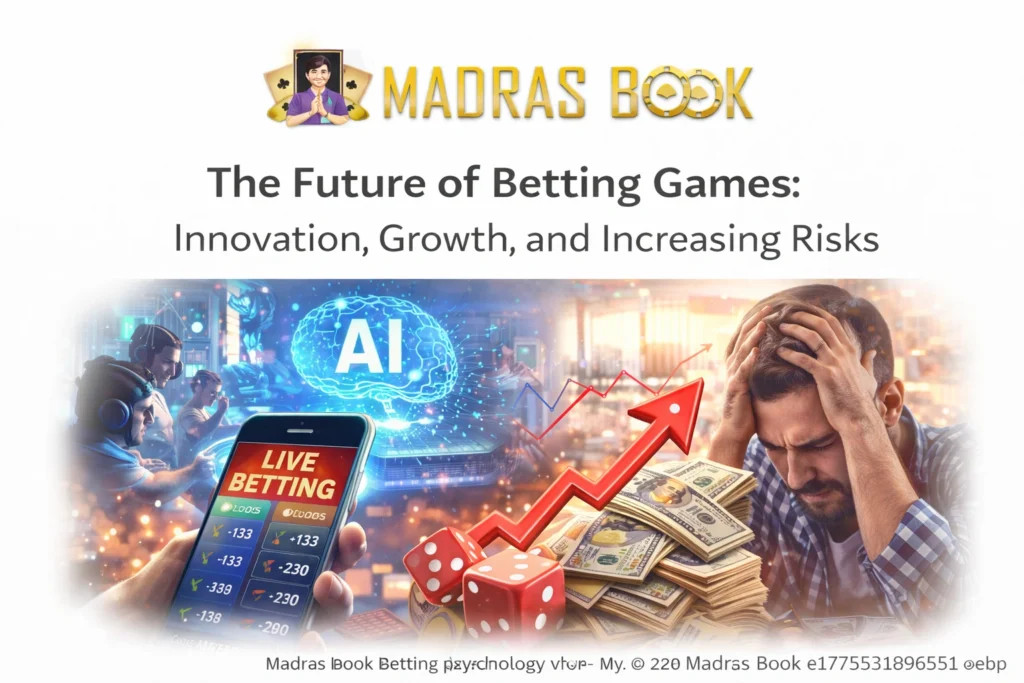
The world of betting games is rapidly evolving, driven by technology, changing user behavior, and the global expansion of online platforms. As the industry grows, the landscape of online betting, sports betting, casino betting, and digital wagering is becoming more advanced, more accessible, and, in many ways, more complex.
One of the biggest shifts in betting games is the rise of online betting platforms. With smartphones and high-speed internet, users can now access betting apps, live betting, real-time wagering, and instant betting markets anytime and anywhere. This convenience has significantly increased participation in sports betting and casino betting games, making betting more mainstream than ever before.
Another major development is the integration of artificial intelligence and data analytics in betting games. Modern betting systems use predictive models, algorithms, and user data to enhance both user experience and operational efficiency. For players, this means access to detailed statistics, trends, and insights that can influence betting strategies. However, it also creates a false sense of control, as even the most advanced betting analysis cannot eliminate uncertainty.
The emergence of live betting and in-play betting games has added a new dimension to the industry. Unlike traditional betting, where wagers are placed before an event, live betting allows users to place multiple bets during the event itself. This increases engagement but also raises the risk of impulsive decisions, leading to higher losses in real-time betting environments.
Mobile betting and app-based betting games have further accelerated growth. With user-friendly interfaces, notifications, bonuses, and promotions, betting apps are designed to keep users engaged for longer periods. Features like free bets, cashback offers, and loyalty rewards make betting more appealing, especially to new users entering the world of online gambling and betting games.
Another fast-growing segment is esports betting and fantasy betting games. Younger audiences are increasingly participating in digital betting platforms, placing wagers on virtual competitions and fantasy leagues. This shift is expanding the definition of betting beyond traditional formats, creating new opportunities but also new challenges in regulation and user protection.
However, with growth comes increased risk. The accessibility of online betting games means that users can engage in betting 24/7, leading to higher chances of overuse and addiction. The constant availability of sports betting markets, casino games, and instant wagering options makes it harder for individuals to maintain control.
Regulation is becoming a critical focus in the future of betting games. Governments and authorities are working to implement stricter rules around online betting platforms, responsible gambling policies, and user safety measures. This includes identity verification, spending limits, and restrictions on advertising to protect vulnerable users.
The future will likely see a balance between innovation in betting technology and the need for ethical betting practices. As betting games continue to grow, there will be increasing pressure on companies to prioritize transparency, fairness, and user well-being.
In conclusion, the future of betting games, online betting, and sports wagering is filled with both opportunity and risk. While technology is making betting more engaging and accessible, it is also amplifying the challenges associated with control, addiction, and financial loss. Understanding these trends is essential for anyone involved in betting games, whether as a casual participant or a regular user.
Conclusion: Betting Games Between Opportunity and Danger
Betting games continue to stand at the intersection of excitement and uncertainty, offering both opportunity and risk in equal measure. From online betting platforms to sports betting, casino betting, and digital wagering, the world of betting games has expanded far beyond traditional boundaries. With increasing accessibility, advanced technology, and growing popularity, betting games have become a significant part of modern entertainment culture.
On the positive side, betting games provide entertainment, strategic engagement, and the potential for financial gain. Many individuals enjoy sports betting and casino games as a recreational activity, using them to enhance experiences and test their analytical skills. The rise of online betting apps and live betting systems has further transformed how users interact with betting, making it more interactive and engaging.
However, the negative side of betting games cannot be overlooked. The risks of financial loss, gambling addiction, emotional stress, and impulsive betting behavior remain serious concerns. The ease of access to online betting platforms and real-time wagering increases the likelihood of excessive participation, especially for individuals who lack awareness or control.
The key to navigating betting games lies in balance and responsibility. Understanding how betting systems, odds, and probabilities work is essential for making informed decisions. Players must approach betting games with clear limits, realistic expectations, and a strong sense of discipline. Treating betting as entertainment rather than a source of income is crucial in avoiding long-term harm.
As the industry continues to evolve with innovations like AI-driven betting, mobile betting apps, esports betting, and live wagering, the importance of responsible gambling practices will only grow. Both users and operators share the responsibility of ensuring that betting games remain safe, fair, and controlled.
In the end, betting games are neither purely beneficial nor entirely harmful—they are a reflection of how they are used. When approached with awareness and moderation, they can remain an enjoyable activity. But without control, the same betting games can lead to serious consequences. The difference lies not in the games themselves, but in the choices made by those who play them.
Frequently Asked Questions (FAQs) About Betting Games
1. What are betting games?
Betting games are activities where players wager money or something of value on uncertain outcomes, such as sports events, casino games, or online matches. The goal is to predict the correct outcome and win a reward based on odds.
2. Are betting games legal?
The legality of betting games depends on the country or region. Some places allow regulated online betting and sports betting, while others restrict or ban it. It is always important to check local laws before participating in any betting activity.
3. Can you really make money from betting games?
While it is possible to win money through betting games, it is not a reliable or consistent source of income. Most betting systems are designed with a house edge, meaning long-term profits are unlikely for most players.
4. What is the safest way to start betting games?
The safest way to begin is by starting small, setting a strict budget, and treating betting as entertainment rather than income. You can explore beginner-friendly platforms like madrasbook to understand how betting systems work before increasing your involvement.
5. What are the risks of online betting?
The main risks include financial loss, addiction, emotional stress, and impulsive decision-making. Online betting platforms make access easy, which can increase the chances of excessive betting if not controlled properly.
6. How can I control my betting habits?
You can manage your betting habits by setting deposit limits, avoiding emotional betting, taking regular breaks, and tracking your activity. If needed, you can also use responsible gambling tools available on many platforms.
7. What is the difference between sports betting and casino betting?
Sports betting involves placing wagers on real-world events like cricket or football matches, while casino betting games include activities such as poker, blackjack, and roulette that are based on chance and strategy within a controlled environment.
8. Are online betting platforms safe to use?
Not all platforms are equally safe. It is important to choose trusted and verified websites. For more information and reliable resources, you can visit yobook to explore safer betting insights and platforms.
9. Why do people get addicted to betting games?
Betting addiction is often caused by psychological factors such as dopamine release, near wins, and the urge to recover losses. The fast-paced nature of live betting and online wagering can also make it harder for individuals to stop.
10. Is there a strategy to always win in betting games?
No strategy guarantees consistent wins in betting games. While knowledge and analysis can improve decision-making, luck and probability always play a major role, making outcomes unpredictable.
 Get WhatsApp ID Now