
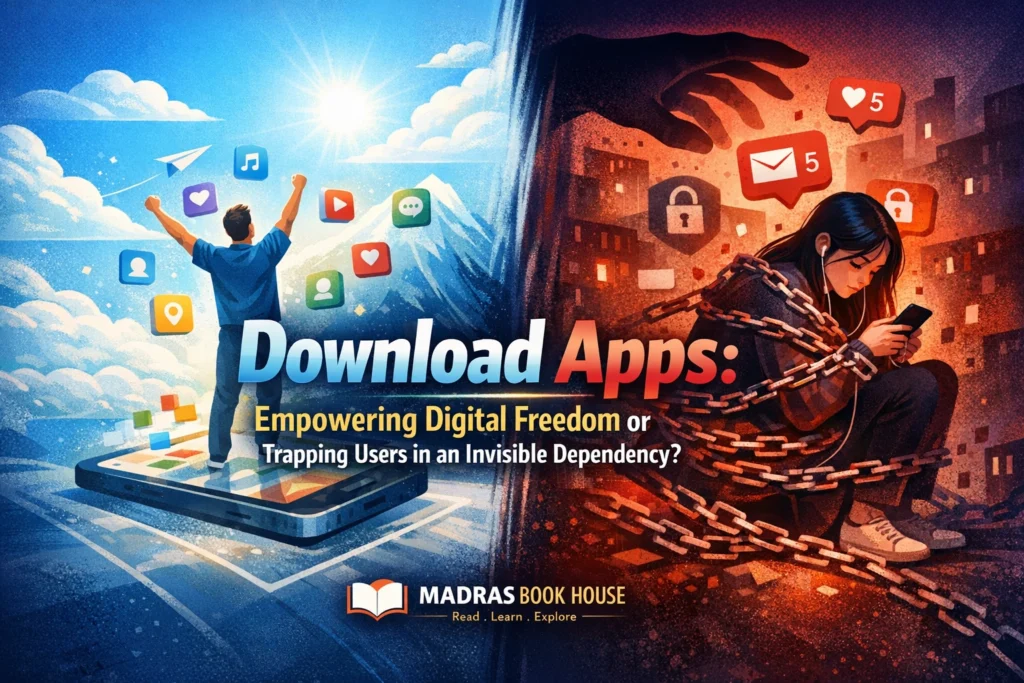
Introduction: The Real Meaning Behind “Download App” in Today’s Digital World
The phrase “download app” has become one of the most repeated actions in modern life. With just a tap on a screen, users unlock tools that can simplify tasks, entertain, educate, and even transform how they work and communicate. What once required physical effort or multiple steps is now compressed into a single digital command—download and use.
However, this convenience carries deeper implications than most people realize. Every time someone chooses to download an app, they are not just installing software; they are entering an ecosystem shaped by data, algorithms, and user behavior. Apps influence decisions, habits, and even emotions, often without users being fully aware of their impact.
In today’s fast-paced environment, downloading apps is no longer just about utility—it reflects a shift in how humans interact with technology and the world around them. While apps offer undeniable advantages like accessibility, personalization, and efficiency, they also raise important questions about privacy, dependency, and digital well-being.
Understanding the true meaning behind the simple act to “download app” is essential. It helps users move beyond passive consumption and become more conscious of how technology shapes their daily lives.
The Evolution of the “Download App” Trend
The concept of “download app” did not emerge overnight. It is the result of years of technological advancement, shifting user behavior, and the growing demand for instant solutions. In the early days of mobile phones, functionality was limited—users relied on built-in features with little to no customization. The idea of downloading additional tools simply didn’t exist in the way it does today.
As smartphones entered the market, everything changed. Devices became smarter, faster, and more capable, opening the door for third-party applications. App stores transformed phones into flexible platforms where users could personalize their experience based on their needs and interests. The phrase “download app” quickly became a daily habit rather than an occasional action.
Over time, apps evolved from simple tools to powerful ecosystems. Early apps focused on basic functions like calculators, games, or note-taking. Today, they handle complex tasks such as financial management, remote work, virtual meetings, and even artificial intelligence-based assistance. This shift reflects how deeply integrated apps have become in both personal and professional life.
Another major factor in this evolution is internet accessibility. With the expansion of high-speed networks, downloading apps became faster and more seamless. Users no longer hesitate—they expect immediate access. This expectation has shaped how developers design apps, prioritizing speed, usability, and engagement.
The rise of social media and on-demand services further accelerated this trend. People began downloading apps not just for utility, but for connection, entertainment, and convenience. Whether it’s streaming content, ordering food, or managing daily tasks, apps have become central to everyday routines.
Today, the act of downloading an app represents more than technological progress—it reflects a cultural shift toward instant gratification and digital reliance. What started as an innovation has now become a necessity, redefining how people live, work, and interact in the modern world.
The Advantages of Choosing to Download App in Everyday Life
The decision to download app has become a gateway to convenience and efficiency in modern living. Apps are designed to simplify complex tasks, reduce time consumption, and provide instant solutions. As digital tools continue to evolve, their advantages are becoming more deeply embedded in daily routines.
One of the most noticeable benefits is the ability to perform multiple tasks from a single device. Whether it’s managing finances, communicating with others, or accessing entertainment, apps bring everything together in one place. This consolidation eliminates the need for physical resources or multiple platforms, making life more organized and manageable.
Another key advantage is speed. In a fast-paced world, time is valuable, and apps are built to deliver results instantly. From booking services to accessing information, the process is streamlined and efficient. Users no longer need to wait in lines or go through lengthy procedures—everything is available within seconds.
Apps also enhance productivity. Many tools are specifically designed to help users stay organized, track progress, and achieve goals. From scheduling tasks to setting reminders, apps act as personal assistants that help individuals manage their time more effectively. This is particularly beneficial for students, professionals, and entrepreneurs who rely on structured workflows.
Accessibility is another powerful benefit. People from different backgrounds and locations can access services that were once limited by geography or resources. Educational apps, for example, allow users to learn new skills from anywhere, while health apps provide guidance and monitoring without the need for constant physical visits.
Personalization further strengthens the appeal of downloading apps. Most apps adapt to user preferences, offering customized experiences that feel relevant and engaging. This level of personalization improves satisfaction and encourages continued use, as users feel that the app understands their needs.
Moreover, apps create opportunities for growth and income. Many platforms enable users to start businesses, offer services, or work remotely. This has opened doors for financial independence and innovation, especially in regions where traditional opportunities may be limited.
In essence, the choice to download an app is often driven by the desire for convenience, efficiency, and control. While the benefits are clear and impactful, they also highlight how deeply apps have become integrated into everyday life, shaping not just actions but expectations as well.
The Dark Side of Download App: Risks Users Often Ignore
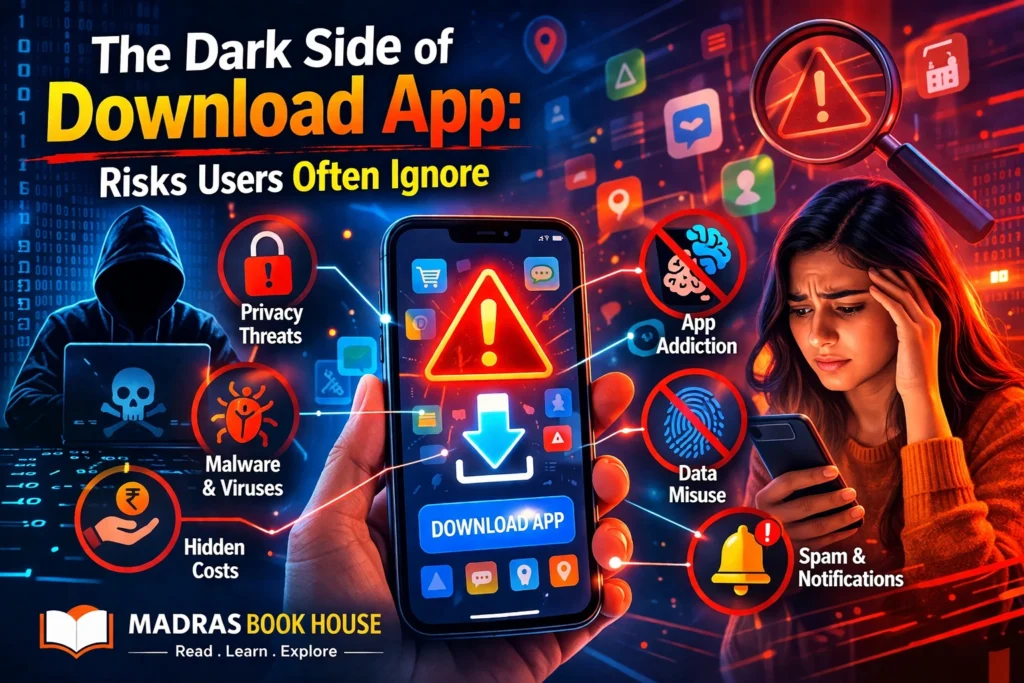
While the decision to download app offers convenience and efficiency, it also comes with a set of hidden risks that many users overlook. In the excitement of accessing new features and services, people often ignore the deeper consequences tied to app usage.
One of the most significant concerns is data privacy. When users download an app, they are frequently asked to grant permissions—access to contacts, location, camera, storage, and more. Most users accept these requests without fully understanding what they are agreeing to. Behind the scenes, apps may collect and store vast amounts of personal data, which can be used for targeted advertising or shared with third parties.
Another major issue is digital dependency. Apps are designed to make life easier, but over time, they can reduce a person’s ability to function without them. Tasks that once required memory, planning, or effort are now delegated entirely to apps. This reliance can weaken problem-solving skills and create a sense of discomfort when technology is unavailable.
Security risks also play a critical role. Not all apps are trustworthy, especially those downloaded from unofficial sources. Malicious apps can infect devices with malware, steal sensitive information, or even gain unauthorized control over certain functions. Even legitimate apps can have vulnerabilities that hackers exploit, putting user data at risk.
Additionally, many apps are built to maximize user engagement, often at the cost of well-being. Features like endless scrolling, constant notifications, and reward-based systems are designed to keep users hooked. This can lead to excessive screen time, reduced productivity, and even addiction-like behavior.
There is also the issue of information overload. With multiple apps sending notifications and updates, users can feel overwhelmed. Instead of simplifying life, apps sometimes create constant distractions that make it harder to focus on important tasks.
Financial risks are another hidden factor. While many apps are free to download, they often include in-app purchases, subscriptions, or hidden costs. Users may end up spending more than expected, sometimes without realizing it until later.
Ultimately, the darker side of downloading apps lies in the imbalance between convenience and control. While apps provide powerful tools, they also introduce vulnerabilities that require awareness and caution. Ignoring these risks can turn a simple action like “download app” into a gateway for unintended consequences.
Download App Behavior: Why Users Keep Downloading Apps Again and Again
The habit to download app is no longer occasional—it has become repetitive and, in many cases, automatic. People download app solutions for almost everything, from basic needs to complex problems, often without questioning whether they truly need another app. This growing behavior reveals a deeper pattern in how users interact with technology.
One major reason users repeatedly download app options is the promise of convenience. Every new app claims to make life easier, faster, or more enjoyable. As a result, users feel encouraged to download app after app, believing each one will improve their daily routine. Over time, this creates a cycle where the first instinct to solve any problem is to simply download app rather than explore alternatives.
Another driving factor is curiosity and trends. When a new platform becomes popular, people rush to download app versions of it just to stay updated. Social influence plays a strong role here—if friends or peers download app tools and recommend them, others are more likely to follow. This creates a ripple effect where downloading apps becomes a shared digital behavior.
Marketing strategies also push users to download app frequently. Companies design advertisements, notifications, and offers that encourage users to download app immediately. Limited-time features, exclusive content, or app-only benefits create urgency, making users feel like they might miss out if they don’t download app right away.
Ease of access further strengthens this habit. With fast internet and app stores, it takes only seconds to download app options. There are no significant barriers, which means users don’t pause to evaluate whether they actually need the app. This frictionless process increases the frequency of app downloads.
Additionally, personalization plays a subtle role. Once users download app platforms, algorithms begin recommending similar apps. This continuous suggestion system encourages users to download app alternatives, upgrades, or complementary tools, expanding their app collection even more.
However, this behavior also leads to clutter and inefficiency. Many users download app options that they rarely use. Over time, devices become filled with unused apps, yet the habit to download app continues. This highlights a contradiction—while apps are meant to simplify life, excessive downloading can create digital chaos.
The repeated action to download app is ultimately driven by a mix of convenience, curiosity, influence, and design. Understanding this pattern helps users become more mindful. Instead of automatically choosing to download app, they can begin to question whether the app truly adds value or simply adds to the noise.
Smart Decisions Before You Download App: A Necessary Digital Discipline
In a world where it takes only seconds to download app, making thoughtful decisions has become more important than ever. The ease of access often leads users to act quickly, but a moment of awareness can prevent long-term issues. Developing a habit of mindful downloading is not just useful—it’s essential in today’s digital environment.
Before choosing to download app, the first step is to understand its purpose. Many users install apps without clearly knowing how they will use them. Asking simple questions like “Do I really need this?” or “Will I use this regularly?” can help avoid unnecessary downloads. This small pause can significantly reduce digital clutter.
Another important factor is checking permissions. When users download app, they often grant access to sensitive data without hesitation. Reviewing what the app is asking for—and why—can protect personal information. If an app requests access that seems unrelated to its function, it’s a clear signal to reconsider.
Source credibility also matters. Always choosing trusted platforms when you download app reduces the risk of malware and security threats. Official app stores usually have safety measures in place, while unknown sources can expose devices to harmful software. A cautious approach ensures a safer digital experience.
Reading reviews and ratings is another smart step. Before you download app, taking a few moments to see what other users are saying can reveal potential issues. Negative feedback about performance, privacy, or hidden costs can help you make a better decision.
Storage and performance should not be ignored either. Every time you download app, it consumes space and system resources. Too many apps can slow down devices and affect overall performance. Being selective helps maintain efficiency and keeps devices running smoothly.
It’s also important to consider long-term usage. Many users download app for temporary needs but forget to uninstall them later. Regularly reviewing and removing unused apps can improve both security and performance.
Finally, being aware of hidden costs is crucial. Some apps may appear free, but once you download app, they may include subscriptions or in-app purchases. Understanding the financial aspect beforehand helps avoid unexpected expenses.
Choosing to download app should not be an impulsive action—it should be a conscious decision. By developing digital discipline, users can enjoy the benefits of apps without falling into the traps of overuse, security risks, or unnecessary dependency.
The Future of Download App: Innovation, Control, or Complete Dependence?
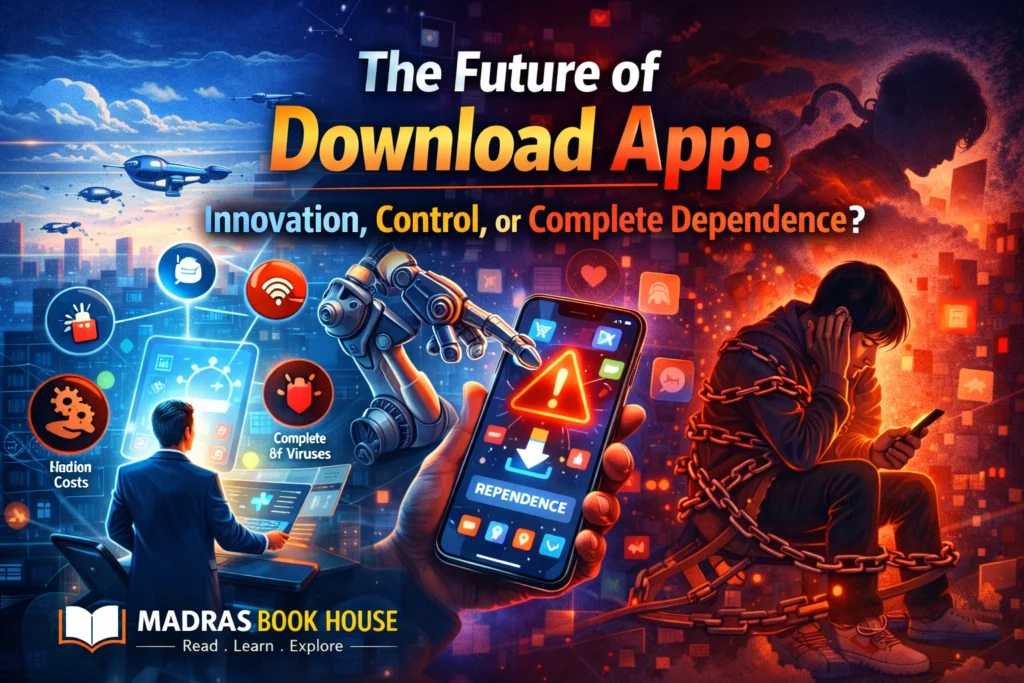
As technology continues to evolve, the meaning of download app is also changing. What was once a simple action—installing software on a device—is gradually transforming into a more integrated and automated experience. The future of how users download app solutions may redefine the relationship between humans and technology.
One major shift is the rise of artificial intelligence. Future platforms may predict user needs before they even search, suggesting or automatically prompting users to download app tools based on behavior, preferences, and routines. This level of automation could make life more efficient, but it also raises concerns about how much control users will retain over their choices.
Another emerging trend is the concept of “super apps.” Instead of repeatedly choosing to download app after app, users may rely on a single platform that combines multiple services—messaging, payments, shopping, entertainment, and more. This could reduce the need to constantly download app options, but it may also centralize power within a few dominant platforms.
Cloud-based technology is also reshaping how users download app experiences. In the future, apps may not require full installation. Instead of storing data on devices, users might access services directly through the cloud. This could eliminate storage concerns and make it easier to switch between devices without repeatedly needing to download app versions.
However, with these advancements come deeper concerns about privacy and control. As systems become smarter, the data required to support them increases. Every time users download app or interact with digital platforms, they contribute more information. The question is whether this exchange remains fair and transparent.
Another possibility is increased regulation. Governments and organizations may introduce stricter policies around how apps operate, especially regarding data collection and user protection. This could make the process to download app safer, but it might also limit certain features or innovations.
User behavior will also play a key role in shaping the future. If people continue to download app without awareness, dependency may deepen. On the other hand, if users become more conscious and selective, the industry may shift toward more ethical and user-focused design.
Ultimately, the future of download app is not just about technology—it’s about balance. Will apps continue to empower users, or will they create a system where users feel controlled by the very tools they rely on? The answer depends on how both developers and users choose to move forward in this rapidly evolving digital landscape.
Conclusion: Download App Wisely in a World That Never Stops Asking You To
The simple act to download app has evolved into something far more significant than it appears on the surface. It represents access, convenience, and opportunity—but also risk, dependency, and constant digital influence. What feels like a small decision in the moment can shape habits, behavior, and even long-term lifestyle patterns.
As users continue to download app solutions for daily needs, it becomes essential to stay aware of both the benefits and the consequences. Apps are powerful tools, but they are not neutral. They are designed with intent—whether to help, engage, or sometimes even to hold attention for as long as possible. Recognizing this helps users regain control over how they interact with technology.
The future will likely make it even easier to download app, or perhaps eliminate the need for manual downloads altogether. Yet, the core responsibility will remain the same. Users must decide what deserves space on their devices and attention in their lives. Not every solution requires another app, and not every app adds real value.
Choosing when and why to download app should come from awareness, not impulse. A mindful approach can turn apps into tools of empowerment rather than sources of distraction or dependence.
In a world that constantly encourages you to download app, the real power lies in knowing when not to.
Frequently Asked Questions (FAQs) About Download App
1. What does “download app” actually mean?
To download app means installing a software application on your device, such as a smartphone or tablet, so you can use its features. It usually involves accessing an app store or a trusted website and installing the app directly onto your device.
2. Is it safe to download app from any website?
No, it is not always safe. You should only download app from trusted sources like official app stores or reliable websites. Downloading apps from unknown platforms can expose your device to malware, data theft, or security risks.
3. Why do apps ask for permissions when I download app?
When you download app, it may request access to features like your camera, location, or contacts. These permissions help the app function properly, but users should always review them carefully to avoid sharing unnecessary personal data.
4. Can downloading too many apps affect my device?
Yes, if you frequently download app without managing them, it can slow down your device, consume storage, and impact performance. It’s a good practice to uninstall apps you no longer use.
5. Are free apps really free to download app?
Many apps are free to download app, but they may include in-app purchases, ads, or subscription models. Always check the app details to understand any hidden costs before installing.
6. How can I choose the right app before I download app?
Before you download app, check user reviews, ratings, developer credibility, and permissions. This helps ensure that the app is reliable, secure, and useful for your needs.
7. What is the best platform to download apps safely?
You can explore reliable platforms like madrasbook for trusted app-related resources and insights. These platforms can guide users toward safer and more informed decisions when they choose to download app.
8. Are there alternatives to downloading apps?
Yes, in some cases, web-based platforms can be used instead of choosing to download app. For example, you can visit yobook to access services directly through a browser without installing anything on your device.
9. How often should I review the apps I download?
It’s recommended to regularly check the apps you download app and remove those you no longer use. This improves device performance and reduces potential security risks.
10. Is downloading apps becoming more common in the future?
Yes, the trend to download app is growing rapidly. However, with advancements like cloud technology and super apps, the way users interact with apps may change, making the process even more seamless and integrated.
 Get WhatsApp ID Now